What Buffer Do You Need for a Super Safety? H2 vs H3 Guide
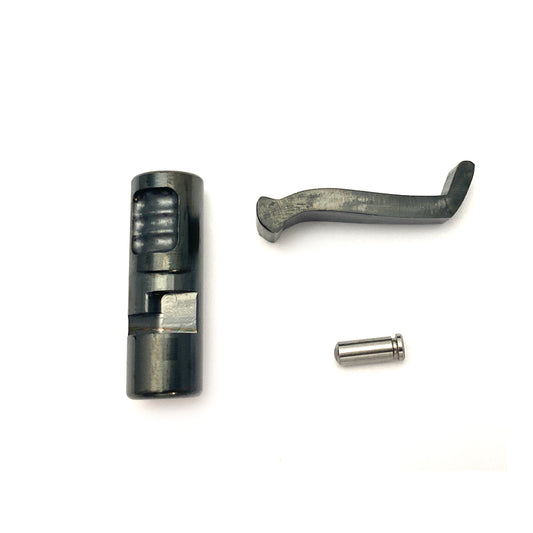
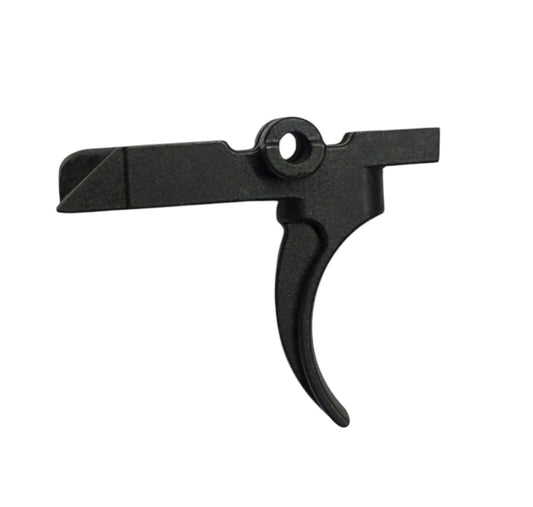
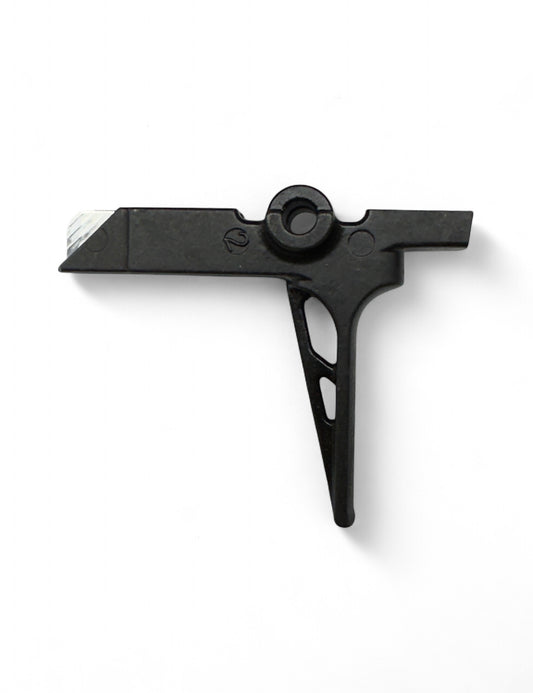
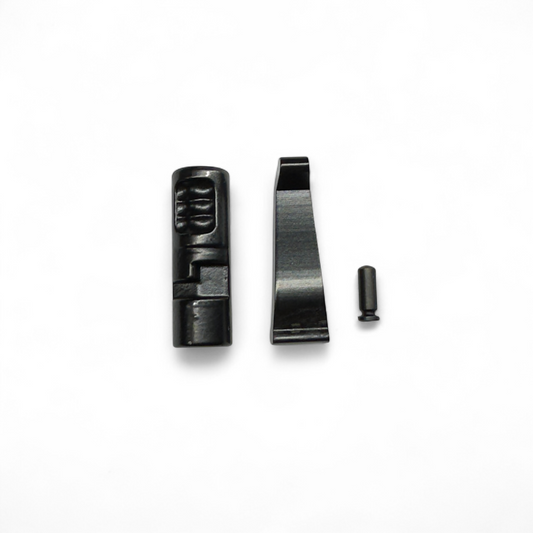
If your Super Safety isn't resetting reliably, there's a good chance it's your buffer. This is the most overlooked part of a Super Safety build. Most people get the cam, lever, and trigger sorted and then throw in whatever buffer is already in the rifle. That works sometimes. A lot of the time it doesn't, and then you're chasing a problem that has a ten-dollar fix.
Here's exactly what you need to know about buffer weight, why it matters for the Super Safety specifically, and how to choose the right one for your setup.
Why Buffer Weight Matters for the Super Safety
The Super Safety's lever has to engage and disengage at the right moment as the BCG cycles. That timing is driven by how fast the BCG moves rearward and returns to battery. A buffer that's too light lets the BCG fly back too fast, the lever doesn't get enough dwell time to do its job, and you end up with reset failures or dead triggers.
A heavier buffer slows the BCG down just enough to give the lever full engagement, which means reliable reset every shot. This is just how the system is designed to run.
This is the same reason gas-impingement AR-15s with the Super Safety run better when they're not severely overgassed. Extra gas pressure drives the BCG rearward harder and faster, which a heavy buffer counteracts. If you're suppressed or your rifle is running hot, go heavier.
H2 vs H3: Which One Is Right for You?
Here's how the most common buffer weights stack up for Super Safety use:
|
Buffer |
Weight |
Best For |
Notes |
|
Carbine (standard) |
3.0 oz |
Standard triggers — not ideal for Super Safety |
Too light; BCG cycles too fast for consistent lever engagement |
|
H1 |
3.8 oz |
Light setups, irons-only builds |
Marginal; may work with low-gas rifles but not recommended |
|
H2 |
4.6 oz |
Most Super Safety builds — sweet spot |
Reliable function across most gas systems and uppers |
|
H3 |
5.4 oz |
Suppressed, overgassed, or heavy-BCG setups |
Best with M16 BCG or suppressor; slows BCG enough for clean reset |
Short answer: Start with H2. If you're suppressed, running an M16 BCG, or your rifle is overgassed, go H3.
The H2 Buffer: Best All-Around Choice
For the majority of Super Safety builds, the H2 is the right call. At 4.6 oz, it slows the BCG enough for consistent lever engagement without beating up your lower or causing feeding issues from an overly slow return to battery.
What H2 works well with:
- Standard AR-15 BCG on a mid-length or carbine gas system
- 16" to 18" barrels with typical gas port sizing
- Most off-the-shelf uppers — this covers the vast majority of builds
- Non-suppressed setups where you don't have excess back-pressure
If you're building from scratch, spec the H2 first and tune from there if needed.
The H3 Buffer: When You Need More
The H3 at 5.4 oz is the move when your rifle is running more energy than average. That's three main scenarios:
- You're suppressed. Suppressors significantly increase backpressure, which drives the BCG harder. An H2 may feel fine on an unsuppressed rifle and run inconsistently the second you put a can on it. H3 smooths this out.
- You're running an M16 BCG. Full-auto BCGs are heavier than standard AR-15 BCGs — the extra mass already adds some inertia, and pairing that with a heavy buffer gives the Super Safety lever the timing it needs.
- Your rifle is overgassed. Some factory uppers and short gas-system builds run a lot of pressure. If you're seeing brass thrown 15 feet and a snappy recoil impulse, you're probably overgassed. H3 tames that.
If you switch to H3 and start getting failures to feed or sluggish bolt return, you've gone too heavy for your gas system. Go back to H2 and address the root cause of the overgassing instead.
What About BCG Choice?
Buffer and BCG work together, so it's worth covering both. The M16 BCG is the recommended choice for Super Safety builds; it's heavier than a standard AR-15 BCG, which adds to system mass and helps with consistent timing.
We stock the Sons of Liberty Gun Works M16 BCG — a trusted, US-made option at $180. Pair it with an H2 or H3 buffer, and you're set.
If you're running a standard AR-15 BCG and it's already working reliably with an H2, there's no urgent need to switch. The M16 BCG is a meaningful upgrade but not always a hard requirement.
Buffer Spring: Don't Overthink It
Most people over-engineer this. A standard mil-spec carbine buffer spring is fine for the Super Safety. You don't need a specialty spring unless you're chasing a specific feel or have a rifle that's running on the edge already.
If you're using a hydraulic buffer, results vary. Some work fine, some introduce timing issues. Standard spring-loaded buffers are more predictable and are what we test against.
Quick Troubleshooting by Symptom
Trigger not resetting — dead trigger after firing
Most likely: buffer too light. BCG is cycling too fast for lever engagement. Upgrade from carbine or H1 to H2. If you're already on H2, check that the lever is oriented correctly, tip toward the buffer tube, bend toward the magwell.
Trigger resets but feels sluggish or inconsistent
Could be gas timing or a slightly underweight buffer for your specific gas system. Try H3 if you're on H2, especially if you're suppressed or running an overgassed upper.
BCG not fully returning to battery
Buffer is too heavy for your gas system. Step back to H2. Check that your gas system is functioning normally; this can also be caused by a restricted gas port or weak gas pressure.
The Bottom Line on Super Safety Tuning
H2 for most builds.
H3 if you're suppressed, running an M16 BCG, or dealing with excess gas.
Get the tuning right, and the Super Safety runs like a machine. Get it wrong and you'll be chasing reset issues that have nothing to do with the trigger itself. For most people reading this, buying an H2 buffer and a SOLGW M16 BCG is all it takes to dial the system in.
Browse our full Super Safety Kits and grab the SOLGW M16 BCG while you're at it.